
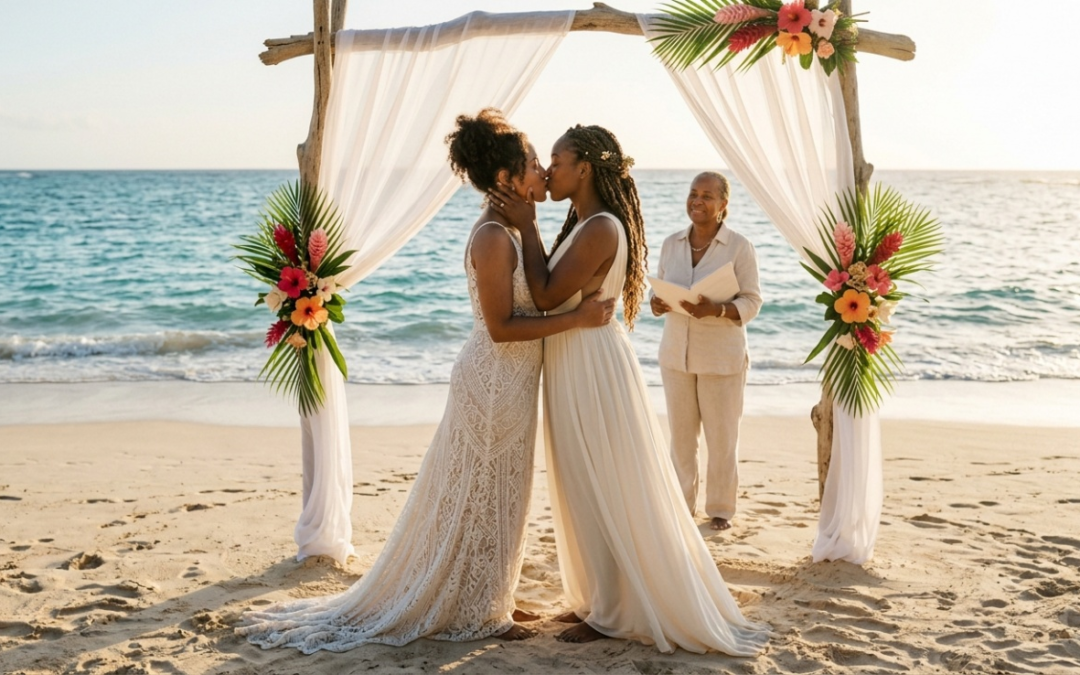
A destination elopement is an intimate wedding ceremony designed for just the two of you — no guest list, no seating charts, no catering headcount. A micro-wedding is its slightly larger version: typically up to 20 guests, keeping all the meaning without all the logistics. Both are growing rapidly among couples who want the beauty of a destination wedding without the scale of a traditional one.
Understanding how elopements and micro-weddings work before you start searching resorts helps you choose the right package, avoid common pitfalls, and make the most of what your destination has to offer.
What Is the Difference Between a Destination Elopement and a Micro-Wedding?
An elopement is typically just the couple — and sometimes an officiant — with no guests present. It is a ceremony built entirely around the two of you, and it is as meaningful and intentional as any traditional wedding.
A micro-wedding includes a small guest count, usually up to 20 people. You still get an intimate celebration, but with your closest family and friends present. Most resorts offer dedicated packages for both, and the difference in planning complexity between the two is smaller than most couples expect.
Both prioritize the experience over the event — which is exactly why couples who have done it tend to say it was the best decision they made.
Why Are More Couples Choosing to Elope or Go Micro?
The appeal is simple: less planning stress, lower cost, and more focus on what actually matters — each other.
A traditional destination wedding can involve 50 to 150 guests, coordinating travel for families across multiple cities, multi-day events, and budgets that climb quickly. An elopement or micro-wedding strips all of that away. You get the ceremony, the setting, the moment — without the overwhelm.
Other reasons couples choose this route:
- Budget control. Many all-inclusive resorts offer complimentary or low-cost elopement packages when you meet a minimum stay requirement.
- Flexibility. You can plan in weeks, not years.
- Privacy. Some couples simply want their wedding to be theirs — not a performance for a crowd.
- LGBTQ+ inclusivity. Destination elopements are often easier to navigate in affirming resort environments, especially at properties with dedicated LGBTQ+ wedding teams.
What Is Typically Included in a Destination Elopement Package?
Every resort is different, but most elopement packages at all-inclusive properties include:
- A symbolic or legal ceremony with an officiant
- A ceremony location — beach, gazebo, garden, or terrace
- Bouquet and boutonniere for the couple
- Sparkling wine toast
- Wedding cake
- Couple’s room decoration
- Pre-planning services with an on-site wedding coordinator
Micro-wedding packages expand on this to include guest seating, a sound system, a private dinner or reception, and sometimes a couples’ massage or romantic dinner for two.
What Is the Difference Between a Symbolic and a Legal Ceremony Abroad?
This is one of the most common questions couples ask.
A symbolic ceremony is a meaningful celebration that is not legally binding. Many couples marry legally at their local courthouse beforehand, then hold their symbolic destination ceremony as the real celebration. This is the most popular route because it eliminates the legal paperwork and residency requirements that come with marrying abroad.
A legal ceremony is fully binding and performed by a licensed officiant or judge. Requirements vary by country — some require you to arrive several days early, complete blood tests, or submit documents weeks in advance. If a legal ceremony abroad is important to you, planning ahead is essential.
When in doubt, a symbolic ceremony gives you the celebration without the paperwork. You can always handle the legal piece at home before or after your trip.
Which Destinations Work Best for Elopements and Micro-Weddings?
The short answer: almost any destination with a strong all-inclusive wedding program.
The most popular options for U.S. couples right now include Mexico — especially the Riviera Maya and Puerto Vallarta — the Dominican Republic, Jamaica, and St. Lucia. These destinations offer dedicated wedding teams, established packages, and resort settings that photograph beautifully without additional décor investment.
If you’re dreaming of something in Europe — think Spain, Portugal, or Italy — the experience is stunning, but the logistics around legal ceremonies and vendor coordination are more complex. Having an experienced travel advisor in your corner becomes even more important.
What Are Common Elopement and Micro-Wedding Planning Mistakes?
- Assuming “elopement” means no planning required. Even a two-person ceremony needs a date, a package, and a deposit — often months in advance.
- Not understanding the attendance policy. Some resorts require that a percentage of your guests stay on property for a wedding to take place. Even for micro-weddings, this matters.
- Skipping the advisor. Resort wedding teams work for the resort. A travel advisor works for you — helping you compare packages, protect your deposit, and navigate the details you don’t know to ask about.
- Forgetting about the legal side. If you want a legally binding ceremony abroad, start the paperwork at least 60 to 90 days out.
- Waiting too long to book. Popular dates and ceremony time slots fill quickly, especially at properties with a cap on daily weddings.
How Can a Travel Advisor Help With an Elopement or Micro-Wedding?
Working with a destination wedding travel advisor means you’re not starting from a blank search engine result. We have relationships with resort wedding teams, know which packages deliver the best value, and can help you avoid surprises — whether that’s an unexpected vendor fee or a ceremony time that conflicts with another wedding on property.
We handle the logistics so you can focus on the moment. And in most cases, working with a travel advisor costs you nothing — advisors are compensated by the resort, not by you.
Ready to Plan Your Elopement or Micro-Wedding?
Whether you’re envisioning your toes in the sand with just the two of you, or a small dinner with your closest circle, we can help you build a celebration that feels exactly like you.
Book a complimentary consultation and let’s start designing your experience.
Shawndra Long is a Certified Wedding Planner and BBB Accredited travel advisor, a member of DWHSA and IGLTA, and LGBTQ+ Wedding Certified, serving travelers and couples nationwide from her home base in Hampton Roads, Virginia. Explore destination celebration planning at Illusionz Destination Weddings or learn more at illusionzdestinationweddings.com.
Transforming travel illusionz into romantic escapes & timeless memories
Frequently Asked Questions
What is the difference between an elopement and a micro-wedding?
An elopement is typically just the couple and sometimes an officiant, with no guests present. A micro-wedding includes a small guest count — usually up to 20 people. Both prioritize intimacy over scale, and both can be done at an all-inclusive resort with a dedicated package.
How far in advance do I need to book a destination elopement?
For most resorts, three to six months is ideal. Popular dates and ceremony time slots fill quickly, especially at properties that cap the number of weddings per day. Some couples book further out to secure peak-season dates.
Do I need a travel advisor for a destination elopement?
You don’t have to — but having one means you’ll have someone comparing packages, watching for value, and advocating for you if anything goes wrong. Most destination wedding advisor services cost you nothing, as advisors are compensated by the resort, not by you.
Can we get legally married at an all-inclusive resort?
Yes, many resorts offer legal civil ceremonies. Requirements vary by country, so it’s important to understand the paperwork and timeline before you book. A symbolic ceremony followed by a legal ceremony at home is also a popular and much simpler option.
Is a destination elopement expensive?
It can be surprisingly affordable. Many resorts offer complimentary symbolic packages when you meet a minimum stay — meaning your ceremony could cost little to nothing if you’re already booking accommodations. Micro-wedding packages vary more widely based on guest count and add-ons.